FANA IN BOGOTA
“We help children in need of a family through our adoption program, promoting social justice. We work with the community striving to encourage peaceful family living.” — FANA Mission
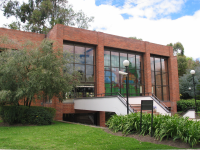
FANA, (the Spanish acronym for the Foundation for the Assistance of Abandoned Children is located in Suba, the 11th locality of the Capital District of the Colombian city, Bogotá. It offers green space for the children to play in and a building of modern amenities. This facility assures not only the best of care for the children, but also a beautiful environment. Through fundraising events throughout the world, this beautiful two-million-dollar facility is standing to provide a home for the children of FANA. FANA is also able to offer prenatal services including, vocational schooling and counseling to birth mothers in need. FANA also offers a community preschool program for children living in the community of Suba. Through this program, FANA is able to offer a safe, nurturing and educational environment for many children in Suba, as well as their families.
For more than 40 years, FANA has worked to improve the lives of more than 14,200 children in need with housing, recreation, food, clothing, health and education service, and ensuring they receive adequate social and psychological care. FANA’s dedication has allowed more than 12,000 children to find families through adoption. It is through FANA that these children are able to know love and care and uncover the possibility of a better future. As Colombia’s adoption laws adapt and change FANA’s protection program has provided a safe haven for thousands of children who await a decision regarding their legal status of adoptability.
FANA’s programs follow Colombian Legislation and International Agreements regarding children protection, including the International Convention on Children’s Rights and The Hague Convention. FANA is duly authorized by Colombia’s state welfare authority Insitituo Colombiano de Bienestar Familiar (ICBF) to operate as an adoption center. In compliance with ICBF’s mission and following its mandate, FANA protects, oversees, and guarantees respect for every child’s right to become part of a family where he or she can adequately grow and develop.
Young women in need of assistance are welcomed at FANA as well. Due to the rise in costs to accommodate the nearly 90 children currently living at FANA, a sizable part of the FANA structure has been reconfigured to accommodate the mothers who had previously lived in the separate facility, The Hogar Marguerite. These women are offered counseling, vocational training, medical care, as well as basic necessities.
FANA headquarters includes a fully staffed facility for the children from the time of their births and beyond. The facility includes rooms equipped for intensive care, physical therapy, occupational therapy and speech therapy. In addition living, sleeping, classroom, and play areas (indoor and outdoor) are available for the children. FANA also houses areas such as kitchen, dining room, laundry area and FANA staff offices.
Adoptive parents from Colombia, North America, Europe, and Australia have been able to love and nurture children, thanks to adoption. Children from Colombia without a traditional family have received the opportunity to reach their full potential and know the love of a devoted family. Colombian birth mothers have received the prenatal and health services they need as well as valuable vocational skills from FANA. Foster children who are not available for adoption but need short-term or specialized care are lovingly supported in the state-of-the-art FANA facility.
Much of FANA’s support comes through the families who have adopted children from FANA. Friends of FANA groups have been created in many of the areas where adopting families live. Those non-profit groups regularly raise money and donate funds to FANA of Bogota, helping to provide programs and quality care to the children calling FANA their home.
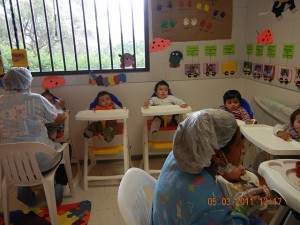
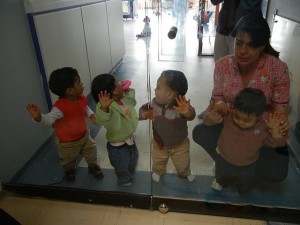
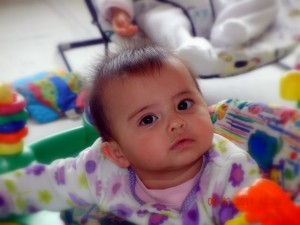
FANA’s programs follow Colombian Legislation and International Agreements regarding children protection, including the International Convention on Childrens Rights and The Hague Convention. FANA is duly authorized by Colombia’s state welfare authority Insitituo Colombiano de Bienestar Familiar to operate as an adoption center. In compliance with ICBF’s mission and following its mandate, FANA protects, oversees, and guarantees respect for the children’s right to become part of a family where he or she can adequately grow and develop.
FANA provides the following services:
- Comprehensive protection program for boys and girls 0 to 13
- Adoption Program
- Center for the Family’s Comprehensive Development
- Attention to Pregnant Women
- Through FANA, thousands of children have found loving, permanent homes. Many other children have received temporary care, including nutrition and shelter, clothing, medical and dental care, and schooling before returning to their birth families.
Young women in need of assistance are welcomed at FANA. Due to the rise in costs to accomodate the nearly 90 children currently living at FANA, a sizable part of the FANA structure has been reconfigured to accommodate the mothers who had previously lived in the separate facility at the Hogar Marguerite. These women are are offered counseling, vocational training, medical care, as well as basic necessities. FANA headquarters includes a fully staffed medical facility for the children from the time of their births, including intensive care and physical therapy; living, classroom, and play areas (indoor and outdoor) for the children; support areas such as kitchen, bakery, dining room, and laundry; and FANA offices. There is dormitory space for the children, as well as a dormitory available for adopted persons who wish to return and volunteer to help at FANA.
Adoptive parents from Colombia, North America, Europe, and Australia have been able to love and nurture children, something that might not otherwise been a part of their lives. Children from Colombia without a traditional family have received the opportunity to reach their full potential and know the love of a devoted family. Colombian birth mothers have received the prenatal and health services they need as well as valuable vocational skills from FANA. Foster children who are not available for adoption but need short-term or specialized care are lovingly supported in the state-of-the-art FANA facility.
Much of FANA’s support comes through the families who have adopted children from FANA. Friends of FANA groups have been created in many of the areas where the adopting families live. Those non-profit groups regularly raise money and donate equipment to FANA through events, and provide programs to help the children stay in touch with their Colombian heritage.
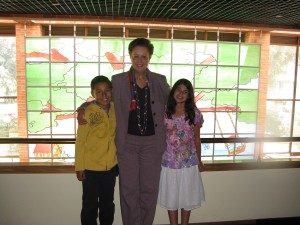

LET’S GIVE A FAMILY TO A CHILD AND NOT A CHILD TO A FAMILY
History of FANA — Mercedes de Martinez’s Legacy
What began as one couple’s personal dream has become a source of joy, fulfillment and a better quality of life for tens of thousands of people throughout the world.
From utilizing their own home to using a rented house in Bogotá, and then moving to a larger rented house, and eventually to the addition of the building next door, FANA grew. At the same time, Mercedes, the daughter of the former governor of the city of Cartagena, began working her way through government and legal channels to be recognized by Colombian authorities and to make the adoption process less cumbersome.
Along the way, she enlisted help from hundreds of volunteers, donations from charities and support groups, and even a mission sent to Colombia after she was invited for an audience with the Pope. By 1995, FANA was able to erect and move into its current facility on a three-acre site in the suburb of Suba. The results have touched so many lives in so many ways.